
What Problem Gambling Actually Looks Like
Not all gambling is dangerous, just like not all drinking leads to addiction. Casual play can be a few rounds at the poker table among friends or buying a lottery ticket once in a while. It’s when the stakes start to creep higher silently more time, more money, more emotional investment that things get blurry fast.
The shift is often subtle. Maybe you used to gamble on weekends, now it spills into weekdays. Maybe wins and losses hit differently affecting your mood, your decisions, or your sleep. Over time, what started as a break from stress becomes the cause of it.
It’s not just the everyday bettors who are at risk. People who gamble occasionally, especially during tough life moments job loss, loneliness, depression can slip into risky territory fast. The environment and emotional state matter as much as frequency. What makes someone vulnerable isn’t how often they bet; it’s why they’re betting and what they’re trying to escape.
Red Flags You Shouldn’t Ignore
Most people don’t realize when casual play slips into something different. Problem gambling rarely shows up all at once it creeps in. It starts with small things, like spending an extra hour at the slots or dropping more cash than you planned. That turns into regular overdrafts or skipped bills. You tell yourself it’s just a streak. That you’ll make it back next time. That next time never actually resets anything.
Maybe you start hiding receipts or lying about where you’ve been. The excitement isn’t fun anymore it’s fuel for anxiety. Win or lose, your mood swings with every result. Your sleep takes a hit, your eating habits shift, and you feel wired or numb even when nothing’s happening. If that sounds familiar, it’s not about willpower. It’s a clear signal something’s off.
Spotting these signs early isn’t about labeling yourself. It’s about being honest before things spiral. Check out More on identifying problem gambling signs if you’re not sure where you stand.
Financial & Emotional Fallout
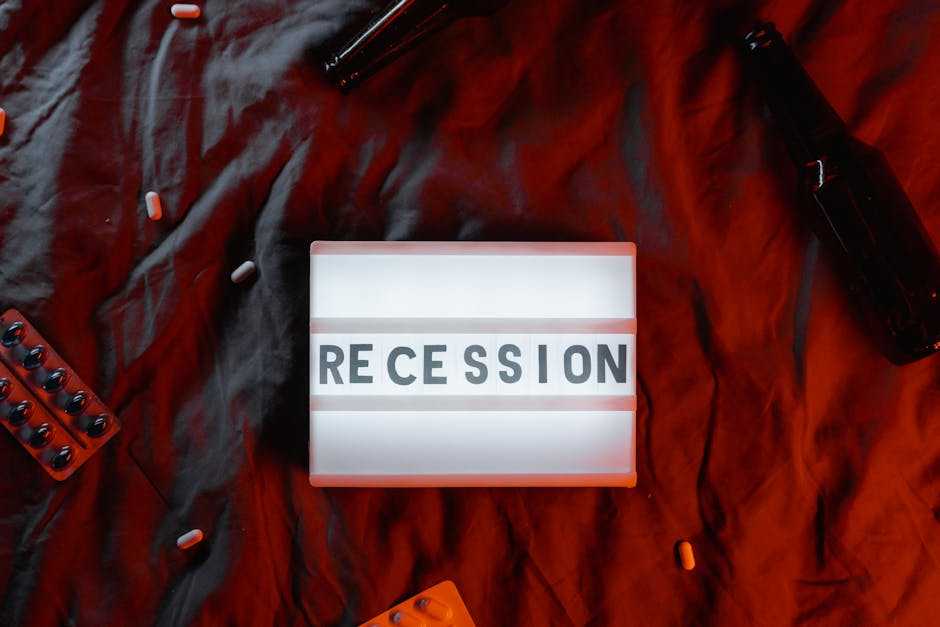
Problem gambling isn’t just a money issue it’s a life issue. When someone starts draining savings or ignoring bills just to stay in the game, it’s not a phase. Rent waits. Credit card debt stacks. Essentials get pushed aside. That kind of pressure builds quietly, until it explodes.
But the toll doesn’t stop there. Relationships feel the impact fast. Arguments over money, secrecy, or distant behavior become routine. People start pulling away from family, friends, partners not because they don’t care, but because shame sets in. That isolation feeds the habit, creating a loop that’s hard to break.
Mentally, it eats away too. Irritability, anxiety, even depression become common. Wins feel manic, losses hit like a punch. Over time, the highs barely register and the lows linger longer. Sleep gets erratic. Confidence erodes. Self worth takes hit after hit.
The hardest part? The slow, silent burn of missed opportunities a career you didn’t chase, a trip you couldn’t afford, connections you let fade. The costs aren’t measured in dollars alone. They show up in what could’ve been.
Early Self Check: How to Spot the Pattern
The hardest part about problem gambling isn’t always stopping it’s realizing there’s a pattern to begin with. That’s where self checks matter.
Start simple. Ask yourself things like: “Have I been gambling more than I meant to?” “Am I hiding how often I bet?” “Do I feel more stressed or anxious after gambling than before?” You don’t need perfect answers. Just honest ones.
Another sharp tool: journaling. Not to write a novel just a few lines about your gambling activity, your mood before and after, and whether things lined up with your intentions. After a couple weeks, patterns show up. Maybe you’re betting more often when you’re tired, or angry, or just bored. That knowledge gives you leverage.
Lastly: watch the feeling of control. If you’re making more excuses, if stopping feels harder than it used to, or if gambling is bleeding into other parts of life those are early signs the grip is slipping.
Taking stock early doesn’t mean you’re in deep trouble. It means you’re awake. Here’s a list of signs worth paying attention to: Detailed signs to monitor early on.
What to Do if You See the Signs
Start small. You don’t need a full intervention, just a real talk. Whether you’re checking in with yourself or opening up to someone you trust, honest conversations are the first move. Keep it simple “I’ve been slipping on this,” or “I’m not proud of how often I’ve been playing.” No drama, just truth.
Next, build some space between you and the triggers. That could mean setting time blocks where gambling apps are off limits, using spending caps, or even uninstalling temptations for a while. Routines help too daily habits that give your brain something else to reach for when the urge kicks in.
You don’t have to do it solo. There are support groups built for this, with people who’ve been exactly where you are. Talk to a counselor who understands behavioral struggles. Tap into digital tools that track or limit gambling use. There’s plenty out there you just have to start looking.
And here’s the thing: this isn’t about blaming yourself. It’s about stepping back into control. When you know the behavior’s off, you don’t wait you act. That’s strength.
Bottom Line: Spot It Early, Act Even Earlier
The earlier you catch it, the easier it is to course correct. That’s just the simple truth. Problem gambling doesn’t usually start with a giant crash it creeps in through small lies, missed bills, one more bet logic. The key is not waiting until everything falls apart. Spotting the shift early lets you make adjustments before the damage piles up.
You don’t need a rock bottom moment to start getting real. Maybe it’s shutting down a few betting apps. Maybe it’s telling someone close what’s going on. Even a few small actions can swing the momentum. Think of it like pulling a car out of a ditch it’s a lot easier when the wheels have just started to slide.
And here’s the thing: struggling with gambling doesn’t make you broken. Hiding it and pretending it’s fine? That’s what keeps people stuck. Naming the issue is strength, not shame. You’re not a lost cause and you’re definitely not alone.
 Brian Brammeroners brought technical precision and innovative thinking to the early development of Mode Shuffle Gamble. With a strong foundation in data systems and digital infrastructure, he laid much of the groundwork for the platform’s review mechanisms and shuffle strategy tools. Brian’s behind-the-scenes work ensured a smooth, scalable user experience that supports both real-time updates and long-term reliability.